pizza slow (high quality)
mirrored image from https://66.media.tumblr.com/faf73d7671ee9d0d75b1511e7578be5b/tumblr_oydraxMqNL1r0bqbdo1_500.jpg without alt text, sorry
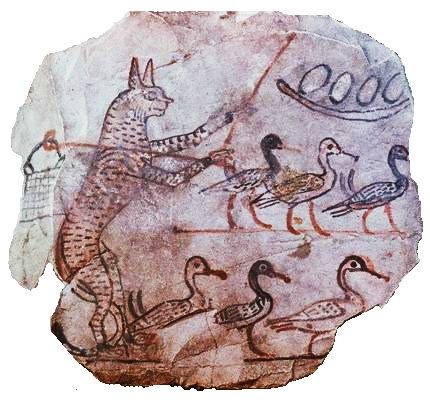
Figure 1. mirrored image from https://66.media.tumblr.com/faf73d7671ee9d0d75b1511e7578be5b/tumblr_oydraxMqNL1r0bqbdo1_500.jpg without alt text, sorry.

Historical-nonfiction:

Archaeologists have known that cats and humans have had a relationship that goes back a long ways – eight to ten thousand years, to give numbers. That’s about when agriculture first appeared in the Fertile Crescent. However, actually domestication of cats took longer. And that’s just what the cats wanted.

A new study by the University of Leuven and the Royal Belgian Institute of Natural Sciences used DNA to look closely at cat domestication. They found that full domestication was slow. DNA samples from 200 cats dating across the past 9,000 years revealed modern domestic cats come from two lineages of Felis silvestris lybica, a subspecies of wildcat. The first lineage was an Asian population, which likely were mousers for Fertile Crescent granaries. These cats traveled with humans into Europe as early as 4,400 BCE.

The second feline lineage was traced back to ancient Egypt. The cat-worshippers. This lineage came to Europe around 1,500 BCE. When the Asian and the African lineages met, they began to mix, and develop into the domestic cat we would recognize today.

November 25th, 2017 9:08am

Proximate posts in the Tumblr collection
Newer johnnythehorsepart2: James Schucker, 1955 25 November 2017
This post historical-nonfiction: Archaeologists have known that cats and humans have had a relationship that goes back a long ways – eight to ten thousand years, to give numbers. That’s about when agriculture first appeared in the Fertile Crescent. However, actually domestication of cats took longer. And that’s just what the cats wanted. A new study by the University of Leuven and the Royal Belgian Institute of Natural Sciences used DNA to look closely at cat domestication. They found that full domestication was slow. DNA samples from 200 cats dating across the past 9,000 years revealed modern domestic cats come from two lineages of Felis silvestris lybica, a subspecies of wildcat. The first lineage was an Asian population, which likely were mousers for Fertile Crescent granaries. These cats traveled with humans into Europe as early as 4,400 BCE. The second feline lineage was traced back to ancient Egypt. The cat-worshippers. This lineage came to Europe around 1,500 BCE. When the Asian and the African lineages met, they began to mix, and develop into the domestic cat we would recognize today. 25 November 2017
Older A future in which ISPs are owned by local governments, small businesses, nonprofit community groups, and the people they serve are the path forward and the only realistic way of ending big telecom’s stranglehold on America. 25 November 2017
Proximate posts in the General collection
Newer johnnythehorsepart2: James Schucker, 1955 25 November 2017
This post historical-nonfiction: Archaeologists have known that cats and humans have had a relationship that goes back a long ways – eight to ten thousand years, to give numbers. That’s about when agriculture first appeared in the Fertile Crescent. However, actually domestication of cats took longer. And that’s just what the cats wanted. A new study by the University of Leuven and the Royal Belgian Institute of Natural Sciences used DNA to look closely at cat domestication. They found that full domestication was slow. DNA samples from 200 cats dating across the past 9,000 years revealed modern domestic cats come from two lineages of Felis silvestris lybica, a subspecies of wildcat. The first lineage was an Asian population, which likely were mousers for Fertile Crescent granaries. These cats traveled with humans into Europe as early as 4,400 BCE. The second feline lineage was traced back to ancient Egypt. The cat-worshippers. This lineage came to Europe around 1,500 BCE. When the Asian and the African lineages met, they began to mix, and develop into the domestic cat we would recognize today. 25 November 2017
Older A future in which ISPs are owned by local governments, small businesses, nonprofit community groups, and the people they serve are the path forward and the only realistic way of ending big telecom’s stranglehold on America. 25 November 2017